
Your production plan should not live in a spreadsheet.
Orders, weights, batches, retailer codes, dates and dispatch paperwork. In most Irish food businesses all of that is held together by a workbook and a few people who know how it works.
Six things food producers tell us
The order plan is a spreadsheet
It works, it is complicated, and one person understands it. Every new retailer makes it heavier.
Variable weights break everything
A pallet is never a neat multiple. Ordered, made and dispatched are three different numbers.
Every retailer wants it their way
Their codes, their paperwork, their delivery rules. Your staff translate between all of them.
Traceability is a fire drill
You can trace a batch. It just takes a person, a folder and a bad afternoon.
Dates are tracked twice
Use by and best before live in the system, on a label and in somebody's notebook.
Finance re enters everything
Dispatch happens, then the same information is typed into the accounts package.
One system from order to dispatch.
Not a generic ERP you bend the operation around. Software shaped to how your product is actually made, packed and shipped.
- 01Order inRetailer codes attached from the start
- 02Weekly planMade against what is committed
- 03BatchTraceability recorded as it is produced
- 04DispatchNotes, labels and quality documents
- 05AccountsFinance updated without a second entry
Tell us how your week runs.
Planning, batches, retailers, dispatch. One sentence on the part that hurts most is enough to start.
Built with an Irish producer, not for a demo.
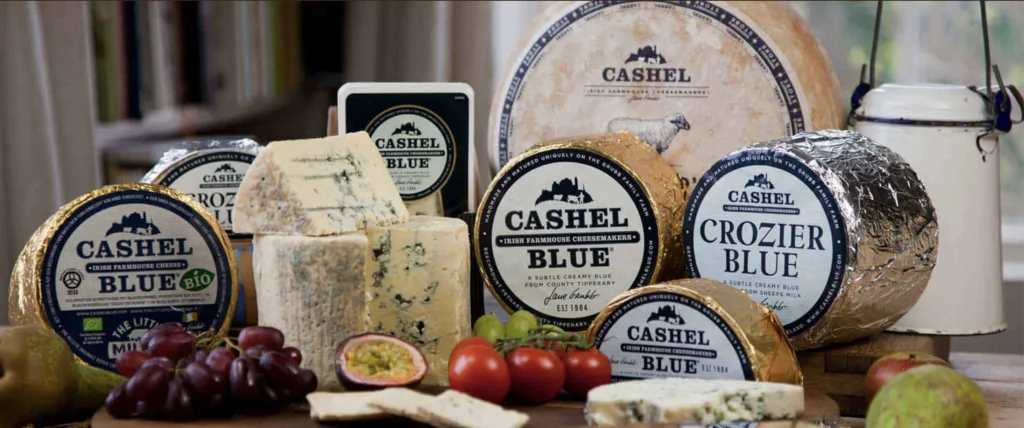
Cashel Farmhouse Cheesemakers in Fethard, Co. Tipperary ran weekly order planning on an Excel workbook with macros, with dispatch and traceability information sitting around it.
We followed the operation first, then built Keystone around it. It runs live today across dozens of product lines and nine export markets.
Questions producers ask
We are a small producer. Is this only for large factories?
No. The producers who gain most are usually the ones where a handful of people carry the whole operation. Small does not mean simple, and it is often where the spreadsheet risk is highest.
Can it handle variable weight products?
Yes, and it has to. Catch weight, split batches across deliveries and reconciling ordered against dispatched are built in rather than bolted on.
Will it produce the paperwork our retailers and auditors want?
That is one of the main reasons producers come to us. Dispatch notes, certificates of analysis, labels and traceability records come out of the same data as the order.
Do we have to replace our accounting system?
No. Keep it. We connect to it so information moves once. Replacing a working finance system is rarely the cheapest answer.
How quickly could we see something working?
The aim is a first useful release covering one real part of the week rather than a long build. We will give you a realistic view of timing after we have walked the operation.
Where are you based and do you come on site?
Thurles, Co. Tipperary. We work with producers across Ireland and we do come on site, because you cannot understand a production floor from a video call.
If the systems just need connecting.
Some producers do not need new software. They need the systems they already run to stop needing a person in the middle.
Systems integration
Short answers to the questions people in your sector actually ask.
Tell us how your week runs.
Planning, batches, retailers, dispatch, paperwork. Describe it in your own words and we will tell you honestly what would change.